
Most lash complaints are not only about the final set.
They often start earlier: a client expected a different result, missed prep instructions, did not understand the fill window, forgot aftercare, or shared a sensitivity that never made it into the notes.
You cannot remove every risk from client work. You can make the booking, intake, prep, aftercare, and response process clearer so fewer problems become tense surprises.
This guide is for independent lash artists who want a calmer client workflow before, during, and after the appointment.
Where Lash Client Complaints Usually Start
A complaint can sound like it came from one appointment, but the cause is often spread across the whole client journey.
Common starting points include:
- The client expected a dramatic style but booked a lighter service.
- The client booked a fill when they needed a full set.
- The client arrived with outside work that changed the appointment.
- Allergies, sensitivities, eye concerns, contact lenses, or past reactions were not captured.
- Prep instructions were missed before the appointment.
- Aftercare was rushed, unclear, or only shared verbally.
- The client did not understand your correction window, refund policy, or late-arrival rule.
- Notes from the previous visit were missing.
The goal is not to make the client feel managed. The goal is to make the experience easier to understand before there is pressure.
Use Intake Questions To Catch Important Details Early
Your intake questions should collect information that changes how you prepare, communicate, or decide whether the appointment is the right fit.
Useful intake topics include:
- Previous lash reactions or sensitivities.
- Current eye irritation, recent eye procedures, or other concerns that should be discussed before service.
- Contact lenses.
- Outside lash work or a foreign fill request.
- Past retention problems.
- Lifestyle factors that may affect retention.
- Styling goals and reference photos.
- Events, deadlines, or timing pressure.
- Prep and aftercare acknowledgement.
Do not turn intake into a long form that clients skim. Keep the questions practical and connected to decisions you actually make.
For a fuller prompt list, use the lash client intake questions guide. If you need a cleaner starting point, the intake builder can help you draft questions that fit your workflow.
Make Booking Policies Visible Before There Is Tension
Policies feel harsher when clients only see them after something goes wrong.
Before a client books, they should understand:
- How late arrivals are handled.
- When a fill becomes a full set.
- Whether you accept foreign fills.
- How cancellations and reschedules work.
- Whether deposits or booking holds apply.
- What your correction window is.
- How you handle concerns after the appointment.
Keep the language calm and direct. You are not trying to scare clients. You are setting expectations so both sides know what happens next.
Example:
If you notice an issue with your lashes, please message within 48 hours with clear photos and details about what changed. I will review the appointment notes, aftercare, and timing before recommending the next step.
That wording does not promise a specific outcome. It gives the client a private, specific path to follow.
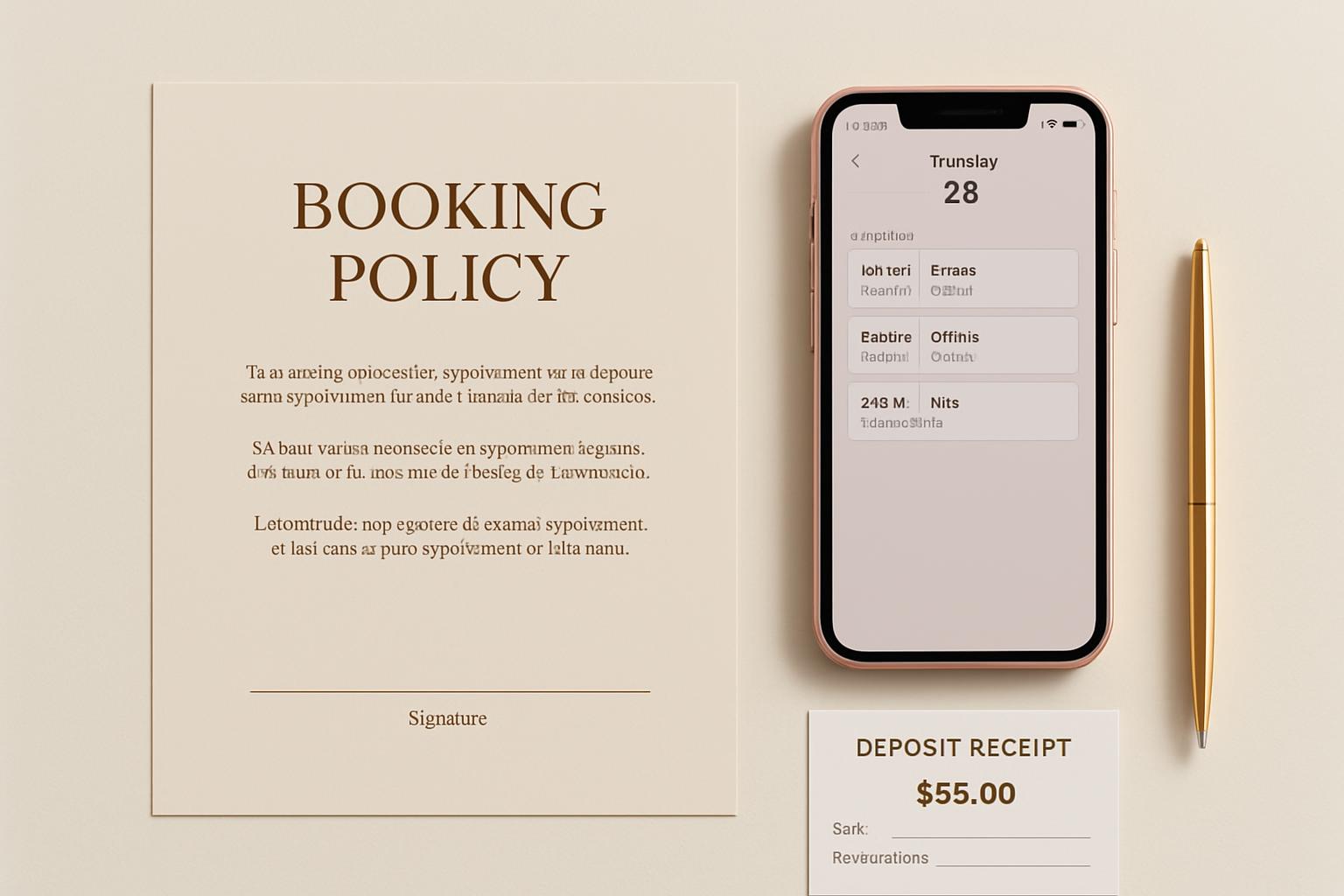
The lash booking policy guide covers deposits, cancellations, no-shows, fill windows, and correction wording. The policy generator can help you turn those decisions into client-facing copy.
Explain Prep Before The Appointment
Prep instructions protect the appointment before the client arrives.
Clients should know what you expect around:
- Clean lashes.
- Eye makeup.
- Oil-based products.
- Arriving on time.
- Contact lenses.
- Disclosing recent sensitivities or changes.
- Bringing reference photos when styling expectations matter.
Prep instructions should not live only in an old social caption. Put them in your booking notes, confirmation, reminder, or pre-appointment message.
If clients keep arriving unprepared, the issue is often visibility, not attitude.
Make Aftercare Easy To Follow
Aftercare reduces repeat questions and helps clients understand what is in their control after the appointment.
Cover:
- How and when to cleanse.
- What products or habits to avoid.
- What normal shedding can look like.
- When to book the next fill.
- When to message privately with a concern.
- What information to include if they report retention trouble.
Keep the wording simple enough to repeat in a message.
Example:
If you notice unusual irritation, discomfort, or a sudden change, message me privately with clear photos and when it started. I will review your appointment notes and explain the next step.
Avoid diagnosing, dismissing irritation, or telling a client to ignore a concern. If a client describes an eye-health concern, keep your response practical and do not give medical advice.
The client script generator can help turn prep, aftercare, and concern-response language into messages you can adapt.
Save Notes That Protect The Next Appointment
Complaint prevention is easier when you do not rely on memory.
After each visit, save:
- Service performed.
- Map or styling notes.
- Curl, diameter, length, and product notes.
- Sensitivities or past concerns shared by the client.
- Prep or aftercare reminders sent.
- Photos taken with permission.
- Client preferences.
- Any concern raised during or after the appointment.
- What resolution or next step was offered.
Repeat clients should not feel like they are starting over each time. Notes help you spot patterns and respond with context instead of guessing.
The lash booking setup checklist walks through the broader workflow: service menu, policy, intake, prep, aftercare, notes, and rebooking.
Have A Complaint Response Process
When a client complains, the first goal is to slow the conversation down.
Use a clear sequence:
- Acknowledge the concern.
- Move sensitive details to a private channel when appropriate.
- Ask what changed and when.
- Review intake, notes, aftercare, timing, and photos.
- Explain the next step without making medical, legal, or fixed-outcome claims.
- Log the outcome for future appointments.
A calm response does not mean accepting every request. It means the client can see that you are taking the concern seriously and following a process.
Example:
Thanks for letting me know. Please send clear photos, when you first noticed the issue, and anything that changed with cleansing, products, sleep, makeup, or eye sensitivity. I will review your appointment notes and get back to you with the next step.
That message gives you information before deciding what to offer.
What A Lash Complaint Policy Can Include
A client-friendly complaint policy can include:
- How soon clients should contact you after an issue appears.
- What details they should send.
- Whether photos are needed.
- How you review aftercare, timing, and appointment notes.
- When a correction appointment may be considered.
- What falls outside your correction window.
- How eye-health concerns are handled without giving medical advice.
Do not copy another artist’s rules without adapting them. Your services, timing, fill standards, and client base may be different.
What LashDesk Helps Keep Together
LashDesk is built for the hidden workflow behind a cleaner lash business: booking policies, intake questions, prep instructions, aftercare, client notes, and repeat-client history.
When those pieces live in one workflow, complaints are easier to prevent and easier to handle if they happen. You can see what the client booked, what they shared before the appointment, what instructions were sent, and what happened last time.
The software does not replace your judgment. It gives your judgment a place to live so every client experience does not depend on memory, DMs, and scattered notes.
FAQ
What should I do if a lash client complains?
Acknowledge the concern, ask for clear details, review intake and appointment notes, move sensitive details to a private channel when needed, and explain the next step calmly. Do not diagnose eye concerns or promise a specific result before reviewing the situation.
How can lash artists prevent client complaints?
Use clear intake questions, visible booking policies, prep instructions, aftercare messages, appointment notes, and a simple concern-response process. Most prevention comes from reducing confusion before the client feels frustrated.
What should a lash complaint policy include?
Include when clients should contact you, what details or photos to send, how you review notes and aftercare, what your correction window is, and what situations require a different next step.
Should lash clients sign an intake form?
Many lash artists use intake forms to collect allergies, sensitivities, lash history, contact lens details, style expectations, and acknowledgement of policies or aftercare. The form should support your workflow and be reviewed before the appointment.
How should I handle a client who says their lashes did not last?
Ask when the shedding started, request clear photos, review timing, service type, aftercare, products, sleep habits, and notes from the appointment. Then explain the next step based on your policy and what you can verify.